
Your trusted global partner in premium carbon-based products, driving sustainability and innovation for a greener future.
Your trusted global partner in premium carbon-based products, driving sustainability and innovation for a greener future.
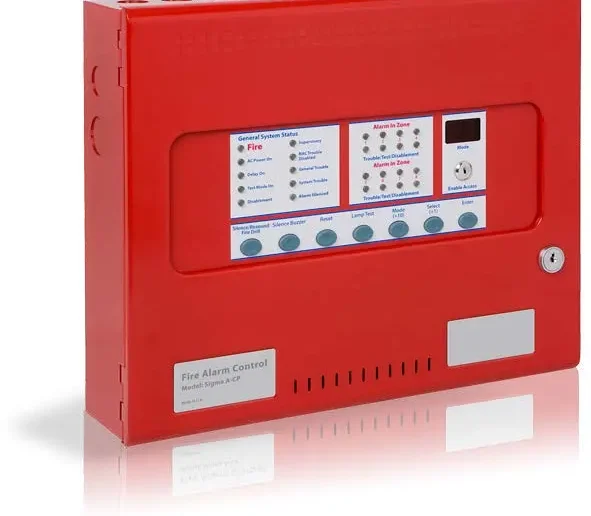
Conventional fire alarm systems are designed to detect and alert occupants about fire hazards in buildings. They are widely used in small to medium-sized buildings where zoning is sufficient for monitoring fire incidents.
Availability: In Stock
Here are the key components:
The central unit that monitors all connected devices.
Displays zone-specific alarms to help locate the fire source.
Provides control functions like silencing alarms and resetting the system.
Detect smoke particles in the air and trigger an alarm.
Types: Optical (photoelectric) and Ionization smoke detectors.
Sense temperature changes to detect fire.
Types: Fixed temperature and rate-of-rise heat detectors.
Allow occupants to manually trigger the alarm by breaking the glass.
Installed in accessible locations for quick emergency activation.
Emit loud alarm sounds to notify occupants of fire hazards.
May include voice evacuation messages.
Provide visual alerts for fire emergencies, especially in noisy environments.
Fire-resistant cables that connect all components to the control panel.
Provide backup power in case of main power failure.
Advantages of Conventional Fire Alarm Systems:
✔ Cost-effective for small and medium-sized buildings.
✔ Easy to install and maintain.
✔ Suitable for areas where zoning is enough to identify fire locations.


Reviews
There are no reviews yet.